


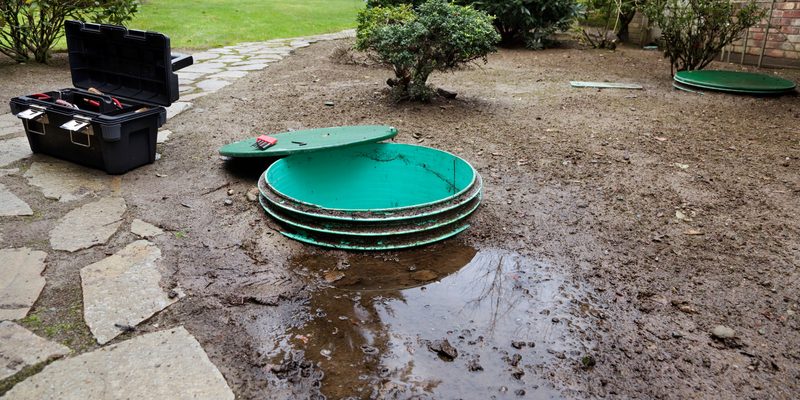
As sustainability becomes more than just a trend, many homeowners and businesses are looking for ways to make their wastewater systems environmentally responsible. Traditional septic systems have served reliably for decades, but new technologies and design improvements are changing how we think about on-site wastewater treatment. Green septic systems are leading this change, offering solutions that protect the environment, reduce energy use, and extend system life.
What Makes a Septic System “Green”
A green septic system minimizes environmental impact while maintaining or improving performance. These systems often use natural or renewable materials, require less energy, and reduce nutrient pollution. The goal is to treat wastewater safely and efficiently without harming soil, groundwater, or nearby ecosystems.
The Latest Innovations in Green Septic Systems
Recent advancements in green technology are reshaping the way septic systems operate. One major innovation is the use of renewable filter media. Instead of relying on gravel or sand, some systems now incorporate materials such as coconut husk fibers or peat moss. These natural filters are biodegradable, sustainable, and highly effective at removing contaminants.
Another significant development is the integration of smart monitoring technology. Sensors and Internet-connected devices can now track water levels, flow rates, and system health in real time. This allows for early detection of potential problems, preventing system failures and avoiding costly environmental damage. These monitoring systems help homeowners and technicians respond quickly, reducing unnecessary maintenance visits and energy consumption.
Low-energy and passive treatment systems are also gaining popularity. These designs rely on gravity, natural filtration, and biological processes rather than pumps or mechanical aeration. Some even use constructed wetlands—natural plant-based systems that treat wastewater through soil and root interactions. These passive systems require minimal energy while achieving high treatment efficiency.
Finally, newer septic systems are being built with materials that have a smaller carbon footprint. Tanks made from recycled thermoplastics, for example, are lighter to transport, easier to install, and more sustainable to manufacture. The combination of renewable materials, smarter design, and low-energy treatment makes these systems both practical and environmentally sound.
Making Your Existing System More Eco-Friendly
If you already have a septic system, there are still effective steps you can take to reduce its environmental impact. Start by being mindful of what goes down your drains. Avoid harsh chemical cleaners, antibacterial soaps, and bleach, which can harm the beneficial bacteria that keep your system working properly. Using biodegradable, phosphate-free cleaning products supports healthy microbial activity and extends the life of your system.
Water conservation also plays a major role in eco-friendly operation. Reducing the amount of wastewater entering your tank eases pressure on the drain field and improves overall treatment quality. Fixing leaks, installing low-flow fixtures, and spreading out laundry loads can make a measurable difference. In areas where it is legal and feasible, greywater reuse systems can further reduce the strain on your septic setup.
Routine maintenance is another key factor. Regular inspections and timely pumping prevent buildup and system failure. For homeowners interested in a more advanced approach, smart monitoring devices can be added to existing systems to provide early alerts when performance declines or maintenance is due.
Protecting your drain field is equally important. Keep heavy vehicles, large trees, and permanent structures away from the area to avoid compaction or root intrusion. Ensure proper drainage around the field so that surface runoff doesn’t saturate the soil and hinder treatment. A well-maintained drain field not only improves efficiency but also prevents environmental contamination.
Why Green Septic Systems Matter
Choosing or maintaining a green septic system benefits both the environment and your wallet. Reduced nutrient pollution protects groundwater and nearby waterways, while low-energy systems save on operational costs. Over time, these systems require fewer repairs and replacements, making them a sound investment for long-term property value. As environmental regulations tighten, having an eco-friendly wastewater solution can also help homeowners stay compliant and avoid costly upgrades later.
The Future of Sustainable Wastewater Treatment
The future of septic systems lies in smarter, cleaner, and more sustainable design. With continuous innovation in materials, monitoring, and biological treatment, these systems are becoming a model for responsible wastewater management. Whether you are installing a new system or improving your existing one, the shift toward green technology is not only possible but practical.
Conclusion
A septic system may not be the most visible part of your property, but it plays a vital role in protecting the environment. Embracing green technology—through renewable materials, efficient water use, and intelligent monitoring—ensures that your system works in harmony with nature rather than against it. By making thoughtful choices today, you can reduce your environmental footprint and safeguard clean water for future generations.